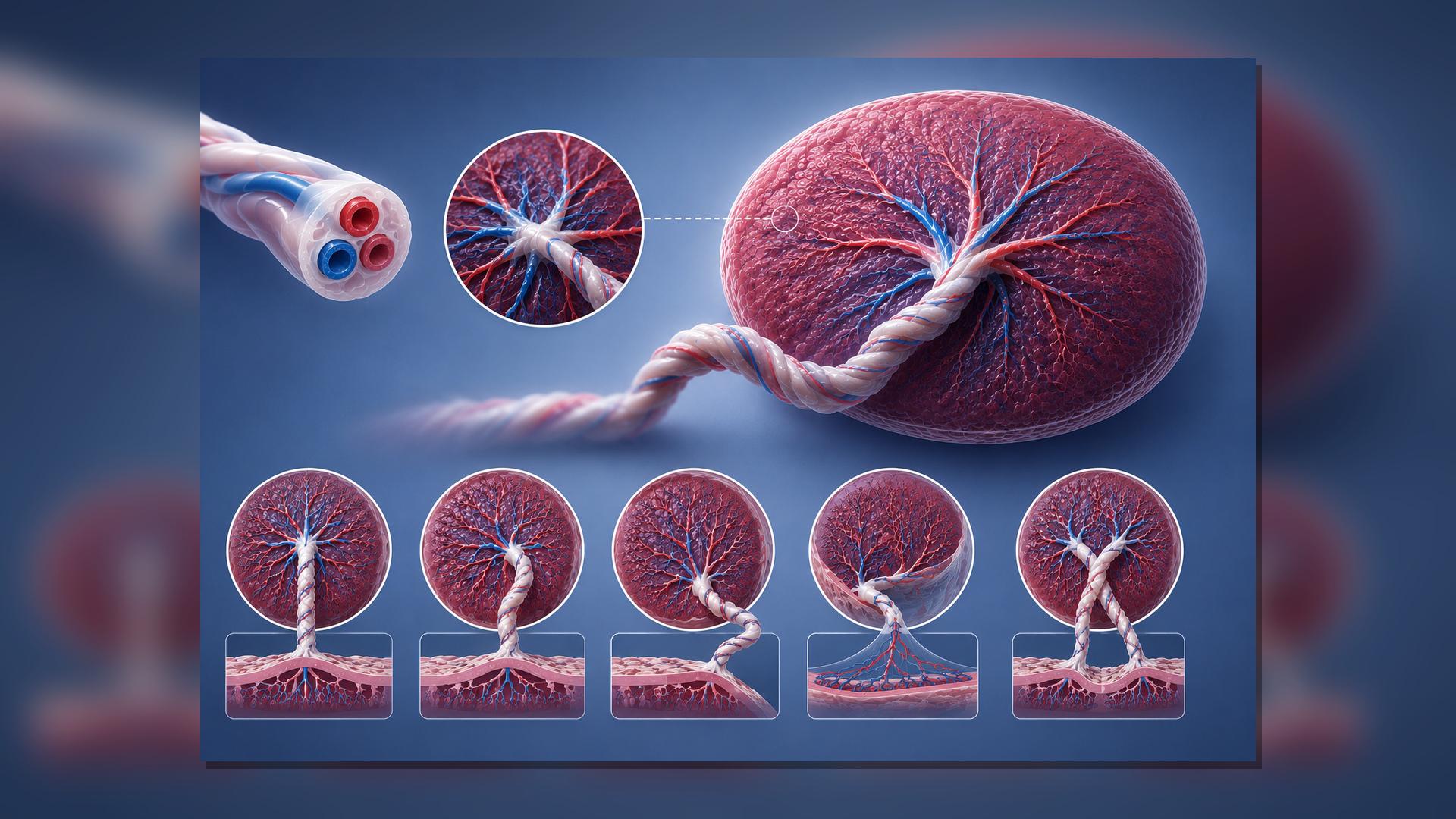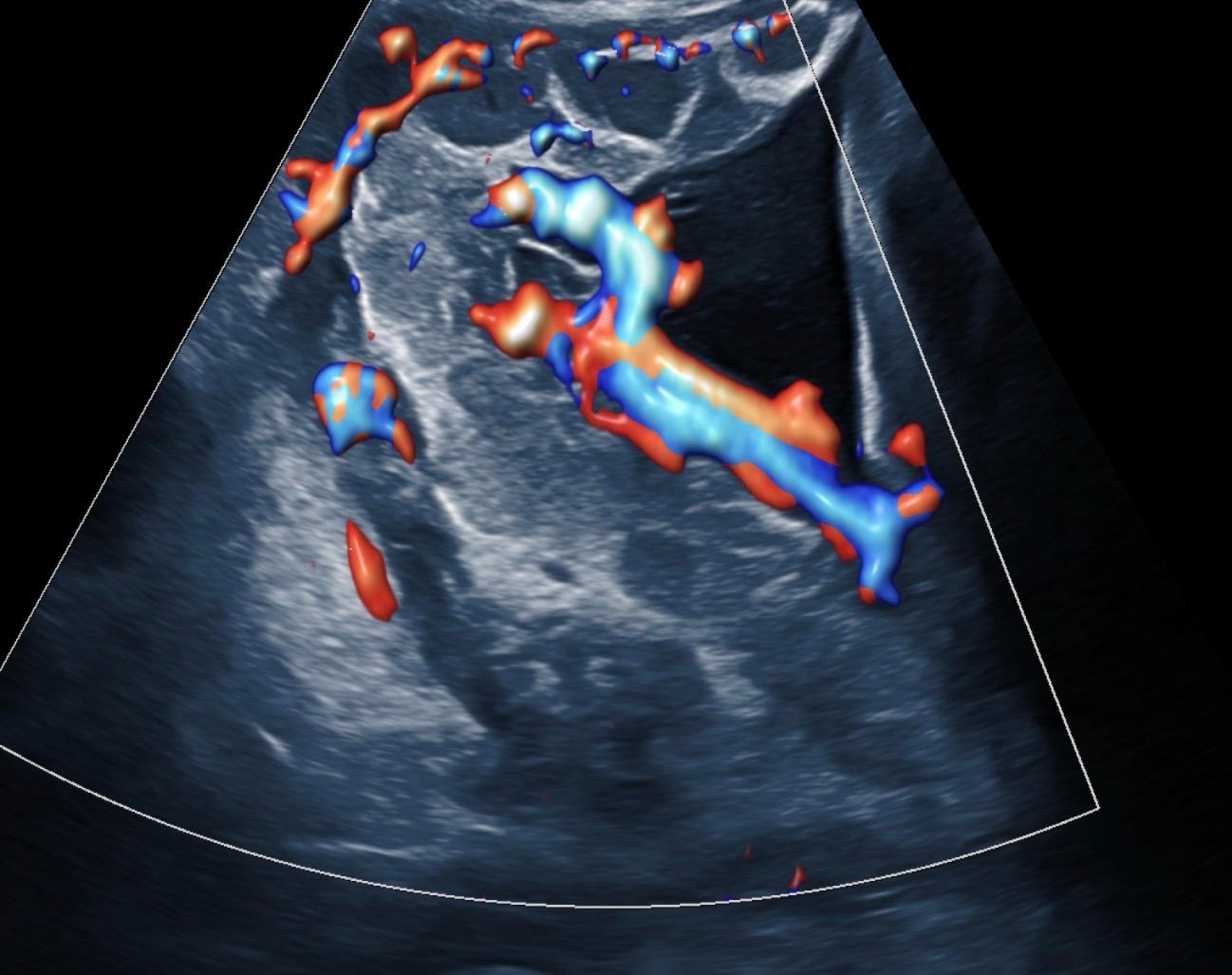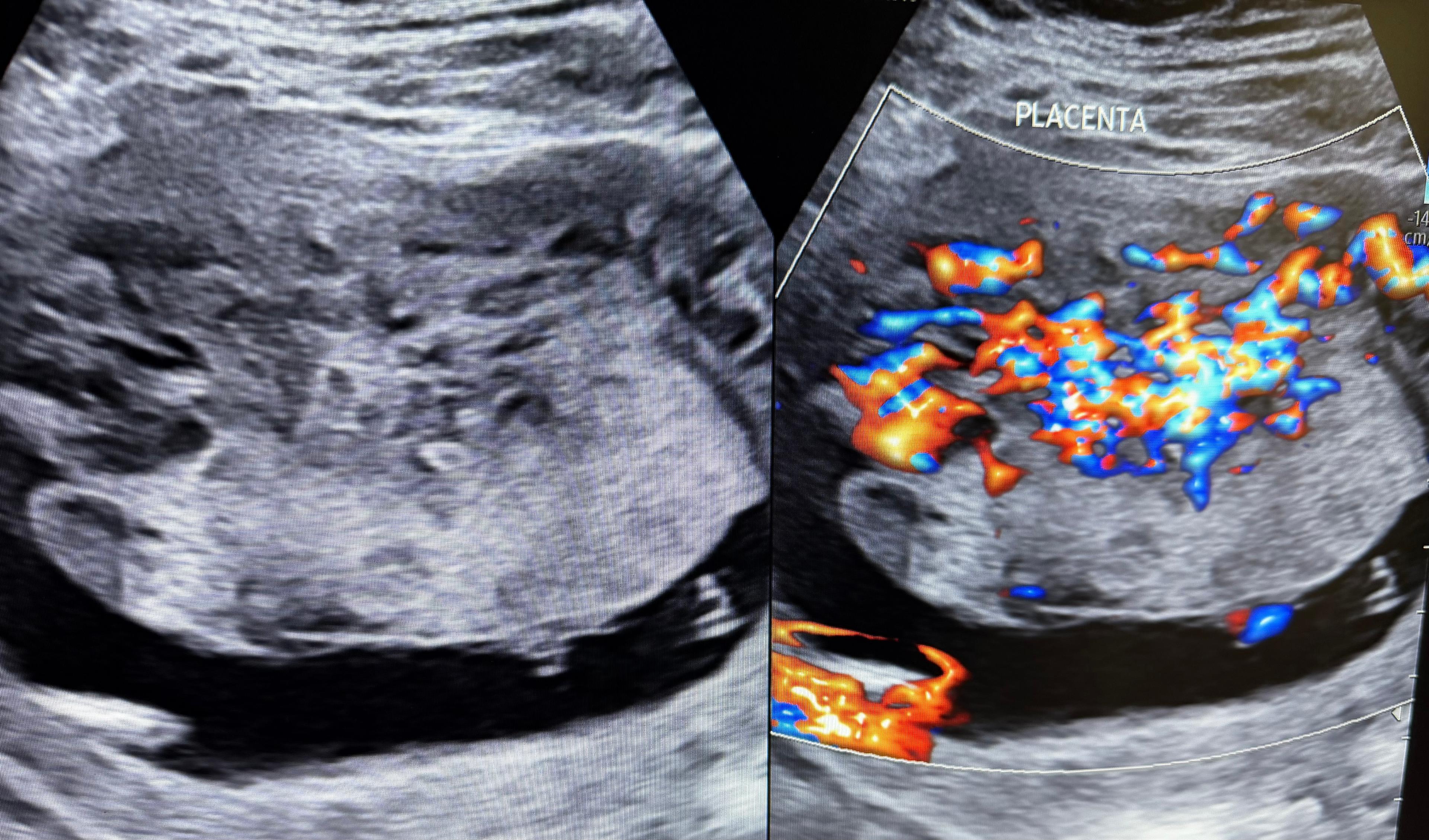
Placenta Accreta Spectrum (PAS): Early Recognition, Reporting, and Referral in Obstetric Imaging
0% Complete
Course Overview
Course Content
Credits
* AMA PRA Category 1 Credit™ is designated for and awarded to physicians. Non-physician healthcare professionals, including physician assistants, nurse practitioners, and sonographers may participate in activities accredited for AMA PRA Category 1 Credit™; their respective credentialing and professional organizations independently recognize such participation toward their own continuing education requirements. Organizations that accept AMA PRA Category 1 Credit™-accredited courses toward non-physician CE include ARDMS, CCI, and Sonography Canada.
Course Details
- Duration
- 2.00 hours
- Released
- Apr 1, 2026
- Last Review
- Apr 1, 2026
- Expires
- Apr 1, 2029
Objectives
Learning Objectives:
Define PAS types and identify major risk factors.
Recognize key gray-scale and Doppler ultrasound markers suggestive of PAS.
Document findings and communicate the level of concern to support timely referral.
Target Audience
Target Audience: OB/GYN physicians, Radiologists, MFM specialists, sonographers
Faculty & Disclosure
Faculty
Lashell Jones RDMS, RDCS
Disclosure
In compliance with the Essentials and Standards of the ACCME, the author of this CME tutorial is required to disclose any significant financial or other relationships they may have with commercial interests.
IAME has assessed conflict of interest with its faculty, authors, editors, and any individuals who were in a position to control the content of this CME activity. Any identified relevant conflicts of interest have been mitigated. IAME's planners, content reviewers, and editorial staff disclose no relationships with ineligible entities.
No one at IAME who had control over the planning or content of this activity has relationships with commercial interests.
Accreditation
The Institute for Advanced Medical Education is accredited by the Accreditation Council for Continuing Medical Education (ACCME) to provide continuing medical education for physicians.
The Institute for Advanced Medical Education designates this enduring material for a maximum of 2.00 AMA PRA Category 1 Credit™.
Physicians should only claim credit commensurate with the extent of their participation in the activity. Sonographers: These courses are accepted by the American Registry for Diagnostic Medical Sonography (ARDMS), Sonography Canada, Cardiovascular Credentialing International (CCI), and most other organizations.
Non physicians: AMA PRA Category 1 Credit™ is designated for and awarded to physicians. Non-physician healthcare professionals — including physician assistants, nurse practitioners, and others — may participate in activities accredited for AMA PRA Category 1 Credit™; their respective credentialing and professional organizations independently recognize such participation toward their own continuing education requirements.